
Glaucoma Basics for Older Adults
Let’s talk about your eyes
As we age, our eyes change. Glaucoma is a common condition often called the “silent thief of sight” because it often starts without warning. Finding it early can help protect your vision. HealthSpring is here to help you understand what glaucoma is, the importance of regular eye exams and things you can do at home to support your overall eye health.
What is glaucoma?
Glaucoma is a group of eye conditions that can damage the optic nerve. Think of the optic nerve like a cable that sends pictures from your eyes to your brain. For you to see clearly, this cable needs to be healthy.
Often, glaucoma happens when fluid builds up in the front part of the eye. This extra fluid increases pressure in the eye, which can damage the optic nerve. Over time, this damage can lead to blind spots in your vision.
There are a few types of glaucoma, but the most common types progress very slowly. You might not even know you have it at first. That is why learning about it is so helpful.
Common symptoms of glaucoma
In the early stages of glaucoma, many people have no symptoms. You may not feel discomfort or have changes in your eyesight. But as it gets worse, you may start to notice some problems with your vision, like:
Patchy blind spots in your side vision (peripheral vision).
Difficulty seeing things clearly in central vision.
If you suddenly have eye pain, a headache, blurry vision or see halos around lights, you might have a more serious kind of glaucoma. In this case, you should seek medical help right away.
The importance of regular eye exams
Anyone can get glaucoma, but some things may increase your chances. Knowing your risk factors can help you and your doctor decide how often you should get checked.
Age: People over 60 are at higher risk.
Family history: If your parents or siblings have glaucoma, you may be more likely to get it too.
Medical conditions: Health issues such as diabetes, high blood pressure or heart disease may increase your risk.
Race: African Americans and Hispanics are more likely to get glaucoma, sometimes at a younger age.
Glaucoma often doesn’t have early warning signs, so regular eye exams are the best way to stay safe. A simple vision test at the Department of Motor Vehicles (DMV) or during an annual exam isn’t enough. It’s better to have a full eye exam where the doctor will look closely at your eyes.
During this exam, the eye doctor may:
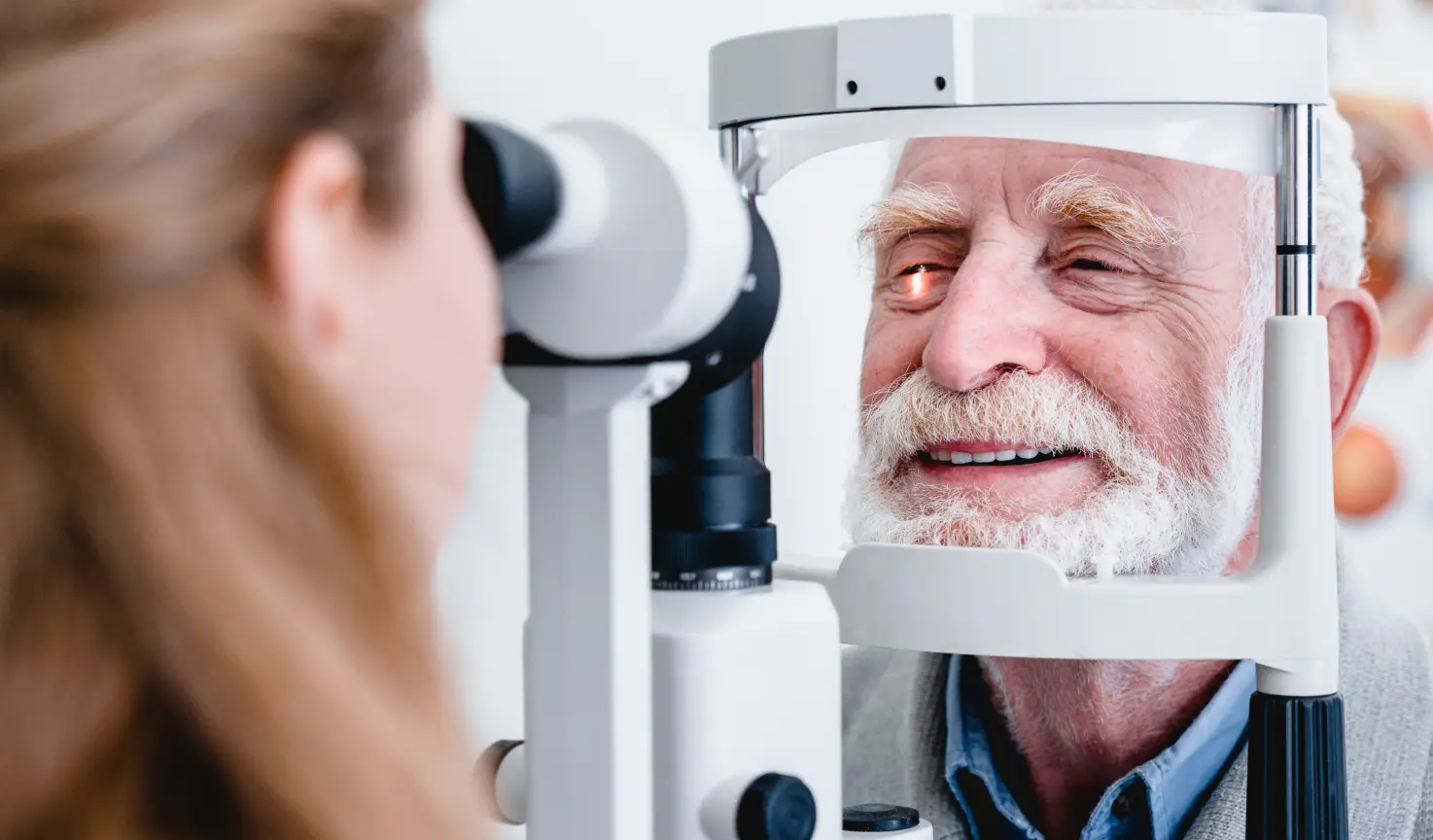
Measure your eye pressure (this is often a quick, painless puff of air or a gentle touch).
Dilate your pupils with eye drops to look at your optic nerve.
Check your side vision.
Finding changes early may give you more options to save your sight.
How to talk with your doctor about glaucoma
Talking with your doctor about glaucoma includes asking clear questions about your risk, symptoms, testing and treatment options so you can make informed decisions about your eye health. It is normal to have questions. Here are a few things you might want to ask at your next appointment:
Based on my age and health, how often should I have a full eye exam?
What is my eye pressure reading, and is it in a normal range for me?
Are there any specific signs of vision change I should look out for at home?
Glaucoma medications and treatment
If your doctor finds signs of glaucoma, they may suggest treatment to lower your eye pressure. The most common treatment is prescription eye drops.
These drops work by either helping fluid drain from your eye or decreasing the amount of fluid your eye makes. Here are some tips for using glaucoma medications:
Follow the instructions: Use your eye drops exactly as prescribed. If you miss a dose, the pressure in your eyes can go up again.
Talk to your doctor: It’s a good idea to talk to your doctor before you take any new medications or supplements. Some over-the-counter medicines might change the pressure in your eyes.
Keep track of any side effects: If the eye drops make your eyes sting, itch or turn red, let your doctor know. They may be able to switch you to a different prescription.
What you can do at home
You can’t cure glaucoma by yourself, but these healthy habits can help support your overall eye health.
Eat green vegetables: Foods like spinach and kale are good for your eyes.
Move safely: Activity like walking may help lower eye pressure. Be sure to ask your doctor before you start a new exercise routine.
Protect your eyes: Wearing sunglasses and hats when outside helps protect your eyes from UV rays.
Manage health conditions: Keeping your blood sugar and blood pressure in a healthy range may help protect your optic nerve.
Final thoughts from Dr. T
Glaucoma is a serious condition, but it doesn’t have to mean losing your sight. By getting regular eye exams and working closely with your doctor, you can take charge of your eye health. Remember, the earlier you catch something wrong, the more you can do to protect your vision.
If you have concerns about your vision or it has been a while since your last checkup, consider making an appointment today.

About the Author
Dr. Grant Tarbox is a HealthSpring Clinical Expert and Senior Executive Medical Director with more than 25 years of American Family Medicine Board Certification.
Share this article: