
High Blood Pressure in Older Adults
What seniors should know about high blood pressure
Blood pressure numbers are different for everyone. High blood pressure, or hypertension, is common as we age. That’s why it is important to discuss your target range with your doctor. HealthSpring is here with some recommendations for lifestyle habits that may help you manage your heart health – and your blood pressure.
What is blood pressure?
Blood pressure is the force of blood pushing against the walls of your arteries as your heart pumps blood through your body. To understand blood pressure, it helps to think about how your heart works.
Your heart is a pump that sends blood through tubes called arteries all around your body. Blood pressure is a measure of how hard your blood pushes against the walls of these arteries. Blood pressure readings are made up of two numbers, listed as a fraction. The top number is your systolic pressure (the force as your heart beats). The bottom number is your diastolic pressure (the force as your heart relaxes).
High blood pressure generally means a first number reading of 130 or higher, or 80 or higher for the second number. It is normal for your blood pressure to go up and down during the day. But if it stays high for an extended amount of time, you could have high blood pressure.
Many people with high blood pressure do not know they have it because it usually does not cause any signs or symptoms. That is why doctors sometimes call it the “silent killer.” It’s important to discuss your target blood pressure range with your doctor. Knowing your range can help you monitor your blood pressure and make necessary lifestyle changes.
How high blood pressure affects your body
High blood pressure can damage your body over time by putting extra strain on your heart, blood vessels and vital organs, often without noticeable symptoms. You usually can’t feel it so you might not know anything is wrong. That’s why it’s important to know your numbers and check your blood pressure regularly, even if you don’t have any symptoms of high blood pressure. Remember, symptoms usually don’t occur until they reach a severe stage and by the time most appear, high blood pressure may be life threatening.
If left untreated, high blood pressure in older adults may lead to:
Heart issues: It makes the heart work harder, which may lead to heart failure or heart attacks.
Stroke: High pressure can damage arteries in the brain.
Kidney and vision problems: It may damage the blood vessels that supply the kidneys and eyes.
Memory loss: It may raise the risk of dementia by affecting blood flow to the brain.
What increases your risk of high blood pressure?
Experts know that several factors may increase your risk of high blood pressure. Some of these are things you can manage, while others are simply part of who you are.
Common high blood pressure risk factors include:
Family history and ancestry: High blood pressure can be genetic, so check your family’s health history. African Americans are at increased risk for high blood pressure.
Age: The risk goes up as we get older.
Nutrition and diet: Diets that contain too much salt and/or too little potassium and Vitamin D can increase our chances of getting high blood pressure.
Tobacco: Tobacco use immediately raises blood pressure, and the chemicals in tobacco can damage the lining of artery walls.
Weight: Extra body weight increases the need for our heart and vascular system to work harder to bring nutrients to vital body organs, which increases blood pressure.
Other health conditions: Sleep apnea, diabetes, kidney disease and high cholesterol are often linked to high blood pressure.
Medications: Some medications produce side effects which may include high blood pressure. Be sure to discuss medication side effects with your doctor or pharmacist.
Checking your blood pressure numbers
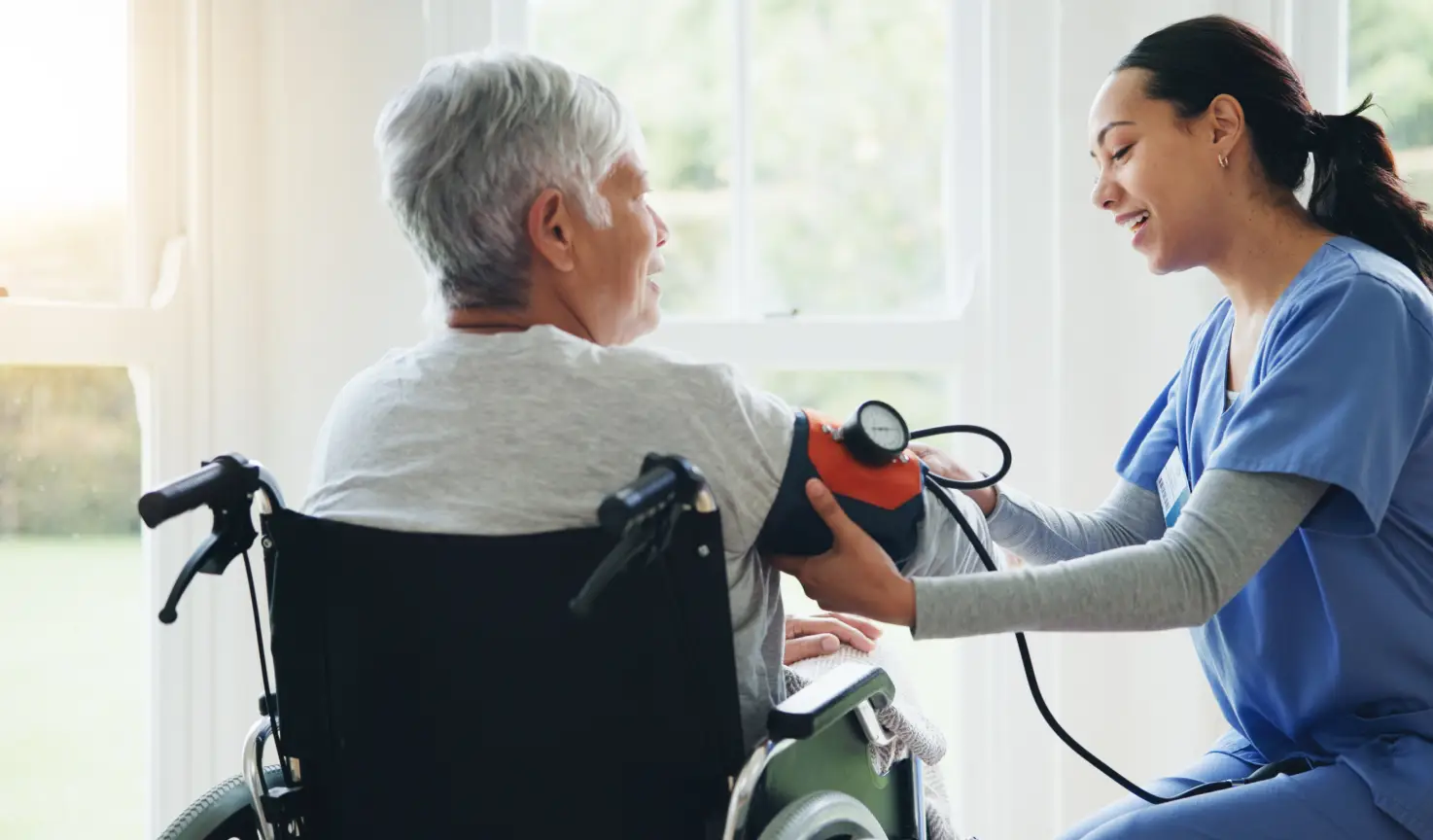
Checking your blood pressure regularly helps you monitor your heart health and detect high blood pressure early, even if you don’t have symptoms. During a checkup, the nurse or doctor puts a cuff around your upper arm or wrist to check your blood pressure. The American Heart Association recommends checking your blood pressure at home if you have been diagnosed with or are at high risk for high blood pressure.1
Your doctor may also ask you to check your blood pressure at home to understand how it changes throughout the day. Measuring your blood pressure at home is easy. It’s also a great way to monitor your health. If you don’t have a blood pressure monitor at home, you can often find free ones at grocery stores, pharmacies and gyms.
Tips for monitoring your blood pressure at home
Before you take your measurement:
Avoid food, caffeine or nicotine for 30 minutes before measuring.
Make sure your bladder is empty.
Take your measurement before taking any blood pressure medication.
Find a quiet space where you can sit comfortably without distraction.
To measure your blood pressure:
Sit at a table or desk with your blood pressure monitor.
Roll up your shirt sleeve.
Wrap the cuff mid-arm (above elbow) at heart level.
Keep your arm relaxed and supported, with the palm facing up.
Maintain a relaxed posture with legs uncrossed, feet flat on the floor and back supported.
Tips that may help you manage high blood pressure
In many cases, high blood pressure can be prevented and managed with some healthy lifestyle choices, including:
Avoiding or reducing tobacco including cigarette and pipe smoking, chewing tobacco and vaping.
Eating a nutritious diet with low sugar and salt intake and increased healthful nutrients including potassium and fiber.
Keeping a healthy weight and exercising daily.
Managing stress levels and mediation.
The importance of healthy eating
Do you remember the old saying, “you are what you eat?” What we eat impacts our daily health, so good food is like good medicine. Eating healthy foods and getting good daily nutrition is important for many reasons, including maintaining healthy blood pressure. Eating the wrong foods can be like taking the wrong medicine.
The DASH (Dietary Approaches to Stop Hypertension) diet is a good healthy eating resource to help you prevent and treat high blood pressure and manage other conditions like heart disease and high cholesterol. The DASH diet recommends foods high in potassium, which is an important nutrient in lowering blood pressure. High potassium foods include leafy green vegetables, such as spinach and kale.
You should also try to eat less salt, no more than 2,300 milligrams each day. Pay attention to the amount of sodium listed on the labels of foods you buy. When cooking, you can make your food taste flavorful by using herbs, salt-free blends or lemon juice instead.
Final thoughts from Dr. T
Managing high blood pressure is a long process, but you do not have to go through it alone. Talking with your health care team is important. They are there to support you. And by checking your numbers regularly and making simple, healthy choices, you are taking positive steps for your future. Remember, small changes today can help support your future health.

About the Author
Dr. Grant Tarbox is a HealthSpring Clinical Expert and Senior Executive Medical Director with more than 25 years of American Family Medicine Board Certification.
Share this article:
1 American Heart Association. (2025). Home Blood Pressure Monitoring. https://www.heart.org/en/health-topics/high-blood-pressure/understanding-blood-pressure-readings/monitoring-your-blood-pressure-at-home