
Simple Ways to Get Active for Older Adults
No matter how slow you go, get moving!
Moving around can help you feel happier and healthier. It can also help you prevent or manage many health problems. Being active isn’t just about your body. It also helps keep your mind sharp, which is important for your overall well-being. HealthSpring is your partner for your health journey, and we’ve got some tips to help you get – and stay – active.
What to know about exercise and physical activity
There is a small difference between just being active and exercising. If the word exercise sounds a bit like too much work, that’s okay. Exercising and doing physical activity are not the same.
Exercise is planned. You make time to work out by doing things like aerobics, chair yoga, balance exercises or light weightlifting. You are doing it to get fit, or to keep your body healthy and strong. Older adults can become fit through an exercise routine.
Physical activity is any movement, like walking to the mailbox, light cleaning or gardening. It all counts and can make a difference in how you feel and move each day.
Exercise and physical activity help you build strength, improve movement and reduce your risk of falls. Small movements can be helpful. Even five minutes of added activity a day can improve your mood and overall health.
For your body:
Your muscles and bones get stronger. Making your muscles stronger supports your entire health.
You’ll be able to keep up with activities and get tired less often.
You’ll have an easier time managing your weight.
You move more easily, which can help lower your risk of falls. Moving is easier when done often.
For your mind:
You feel a greater sense of happiness and calmness. The link between your mind and body strengthens, and your mood lightens.
It helps you think more clearly and focus better.
It can lower your chances of feeling down or worried. Physical activity is also good for your mental health.
It helps you manage everyday stress, sadness and worries.
For your health:
It lowers your risk of heart problems and type 2 diabetes.
It can help lower bad fats in your blood and your blood pressure.
It can help ease joint swelling and pain tied to health conditions like arthritis.
It helps protect you from many chronic health issues.
Set simple fitness goals
No matter your fitness level today, there are many things you can do to add some physical activity to your routine. Some activities you are likely already doing. The important thing to remember is to make it a regular habit by sitting less and moving more.
When you first start, set small goals, such as stretching. Even just five minutes a day can make a big difference. When you’re comfortable with that goal, add another or increase the time – maybe walking 10 minutes each day.
Most importantly, listen to your body. Make changes if the activity feels too hard to do. And try not to feel bad if you are not able to complete your goal. Try to do your best and continue with your plan.
Even a little exercise can improve health in older adults
Just a few minutes of extra activity each day can make you feel better and boost your overall health. Changing your movements can help keep you motivated and look forward to doing new things.
Talk to your doctor first
Because everyone’s health needs and the amount of physical activity they can do are different, make sure to talk to your doctor before starting any new activity or exercise program. Some medicines can also affect what activities are safe for you. That’s why it is important to talk with your doctor before starting any new activities.
When you talk to your doctor, you might ask:
What activities are safe for me?
Are there any activities I should avoid?
How often should I be active, and for how long?
Should I change any of my medicines because of this?
At-home movement ideas for older adults
To set yourself up for success, think about what you could do today to add more physical activity to your routine. When you are ready, add more of these activities to increase your energy and strength. Just walking can be the start of a healthy routine for older adults who need to decrease the risk of falling and getting hurt.
Try some of these ideas at home
Walk around your house a few times a day.
Set a timer to remind yourself to get up and move every hour.
When folding clothes, put items away one by one.
Carry grocery bags into your home one at a time.
Spend some time outside
Take a walk outside or ask a friend to go for a walk.
Spend time working in the garden.
Take a break in your day to step outside and take a few deep breaths.
Write down a simple goal or two
Writing things down is a great way to help you stick to your plan. Think about how active you are now, and how active you would like to be. Remember, activity doesn’t just mean moving your body; it can mean keeping your mind busy, too. For example, your goals might include:
Go for a 10-minute walk.
Do a crossword puzzle.
Play with my grandkids in the backyard.
Reward yourself for being more active
Rewarding yourself for your efforts when you reach a goal is very important. You might decide to walk for ten minutes and then enjoy a cup of tea. Or stretch for a few minutes before watching your favorite TV show. No matter what you do, remember to be kind to yourself. If you need a break or your plan to get more active takes longer than you thought, give yourself a break. It may take some time, but you will get there.
More good things to know about getting active
Move more, sit less: Try to break up long time periods of sitting. Even just standing up and stretching for the time it takes to view a commercial during a TV program can get you moving.
Balance and strength are important: For older adults, activities that improve your balance and strengthen your muscles are very important. Balance helps you stay stable and makes everyday tasks easier and safer.
Listen to your body: If you feel any new or sharp pain, dizziness or chest pain while active, stop right away and talk to your doctor. It’s important to be safe.
Drink water and choose healthy foods: It is important to drink plenty of water when you’re moving around. Eating healthy foods also gives your body the energy it needs to be active and recover.
Sleep helps, too: Getting enough good sleep gives you the energy for your activities and helps your body rest and prepare for the next day.
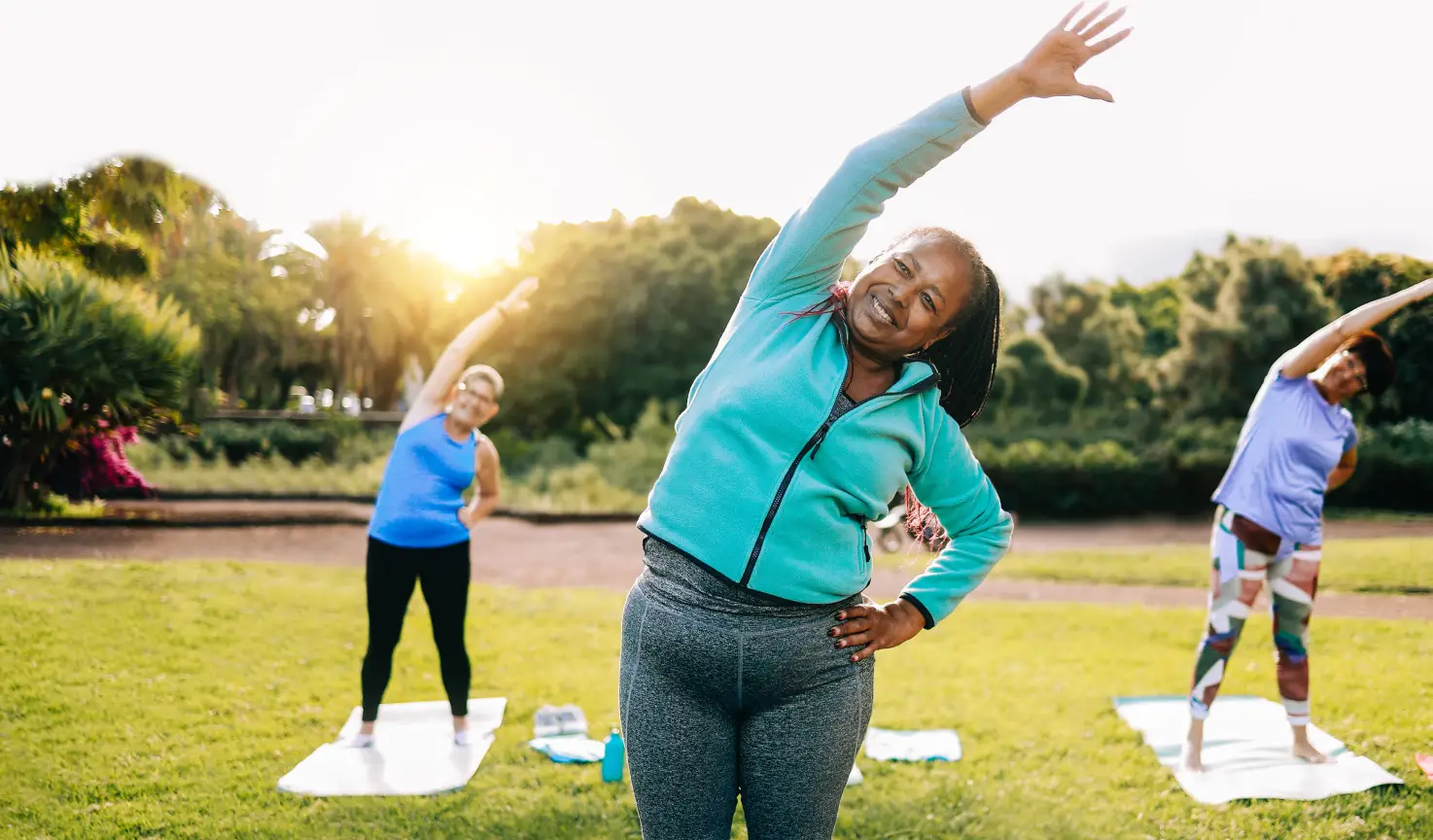
Grab a friend: Being active with a friend or in a group can make it more fun and help you stay motivated to work toward your health goals.
Final thoughts from Dr. T
Think about it: You wake up in the morning without pain, feeling better than you did the night before. Making time for physical activity every day can increase your movement and improve your physical strength. Remember that even a few minutes of activity counts, and it’s okay to start small.
Talk with your doctor before starting any new activity to make sure it’s safe for you. Be kind to yourself and celebrate small wins. This can help you build a more active lifestyle. And if you’re already active, great! Keep it up. If not, remember – doing any activity is better than doing no activity at all.

About the Author
Dr. Grant Tarbox is a HealthSpring Clinical Expert and Senior Executive Medical Director with more than 25 years of American Family Medicine Board Certification.
Share this article: